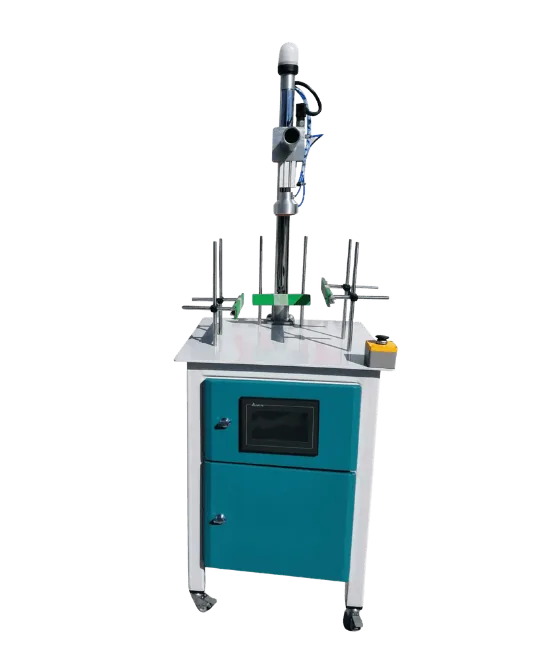
The biggest fear of plastic bottle manufacturers is receiving a leak complaint on a batch sent to a customer. This usually stems from a single cause: the absence of a systematic leak test on the production line. In this article, we explain why a bottle tester is a necessity, not a luxury, and how to choose the right device.
The Real Cost of an Untested Bottle
An invisible micro-hole or a faulty cap-body seal on a bottle can turn into a leak in storage or transit. In that case, returns, lost customers and damaged brand reputation end up costing far more than the price of a single tester.
Which Defects Are Tested?
Bottle testers catch three main types of defects: micro-holes/cracks in the body, loss of seal at the cap-neck joint, and weak points caused by wall thickness inconsistency. All three are problems that can't be detected by visual inspection but show up within seconds with a pressurized air test.
Tabletop or Conveyor Type?
For low-to-medium volume production, tabletop (desktop) testers offer a practical solution where the operator manually places and tests the bottle. For high-volume, continuous production lines, conveyor-based multi-station models enable 100% inspection without slowing down line speed.
How Is Test Pressure Determined?
Test pressure varies depending on the bottle's intended use — a carbonated beverage bottle and a lotion bottle should not have the same test pressure. Tests performed without determining the correct pressure range lead to either unnecessary scrap (excessive pressure) or missed defects (insufficient pressure). On AHF Makine devices, this range is set specifically for your product before production.
100% Inspection or Sampling?
100% inspection has now become the industry standard for food, cosmetics and pharmaceutical packaging — the sampling method carries the risk of missing a single defective bottle in the batch. Conveyor-based testers, working integrated with line speed, make this 100% inspection possible without requiring additional labor.
Conclusion
A plastic bottle tester is the final safeguard of the production line. Once the investment is made, it largely eliminates return costs and customer distrust. As AHF Makine, we deliver both tabletop and multi-station models with pressure settings customized for your product.
Related Product: Plastic Bottle Testers →